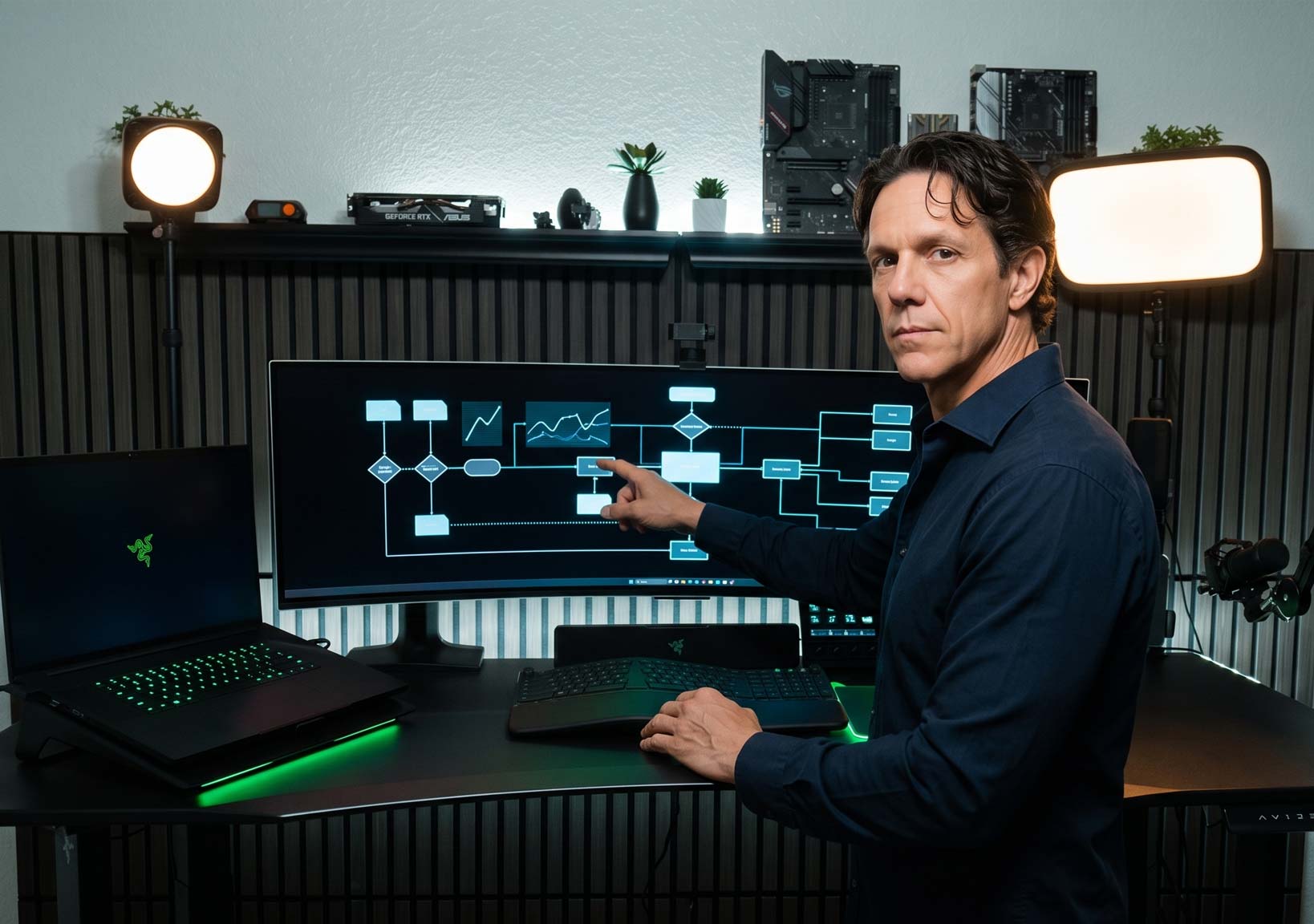
20+ years operator experience
Growth, product strategy, marketing operations, automation, and entrepreneurship.
Growth & Creative Systems Operator
I build the systems that turn attention into measurable growth.
CMO-scale ecommerce leadership plus hands-on applied AI, automation, and multimodal production. I connect strategy to operating systems that real teams can run, measure, and improve.
Creative AI Production Reel
1:00 · VFX · Motion · Avatars · UGCGrowth, product strategy, marketing operations, automation, and entrepreneurship.
Executive operating context across an eight-store ecommerce portfolio.
Performance marketing systems across seven-plus acquisition channels.
Evidence-backed operational memory with 13,465 tracked entities and 265,970 evidence segments.
Operator Profile
I build AI systems from the operator's side of the table: infrastructure that has to run, remember, recover, and produce useful work. My background spans growth, ecommerce, performance marketing, automation, product strategy, and entrepreneurship, but the current priority is the local AI operating system running across SynapseGrid Ops.
That system combines an application and automation host, a primary local AI engine, private runbooks, service memory, retrieval, orchestration, agent handoffs, and GPU-backed image and model workflows. It is not a demo stack; it is a working infrastructure layer for building, testing, routing, and improving AI-assisted operations.
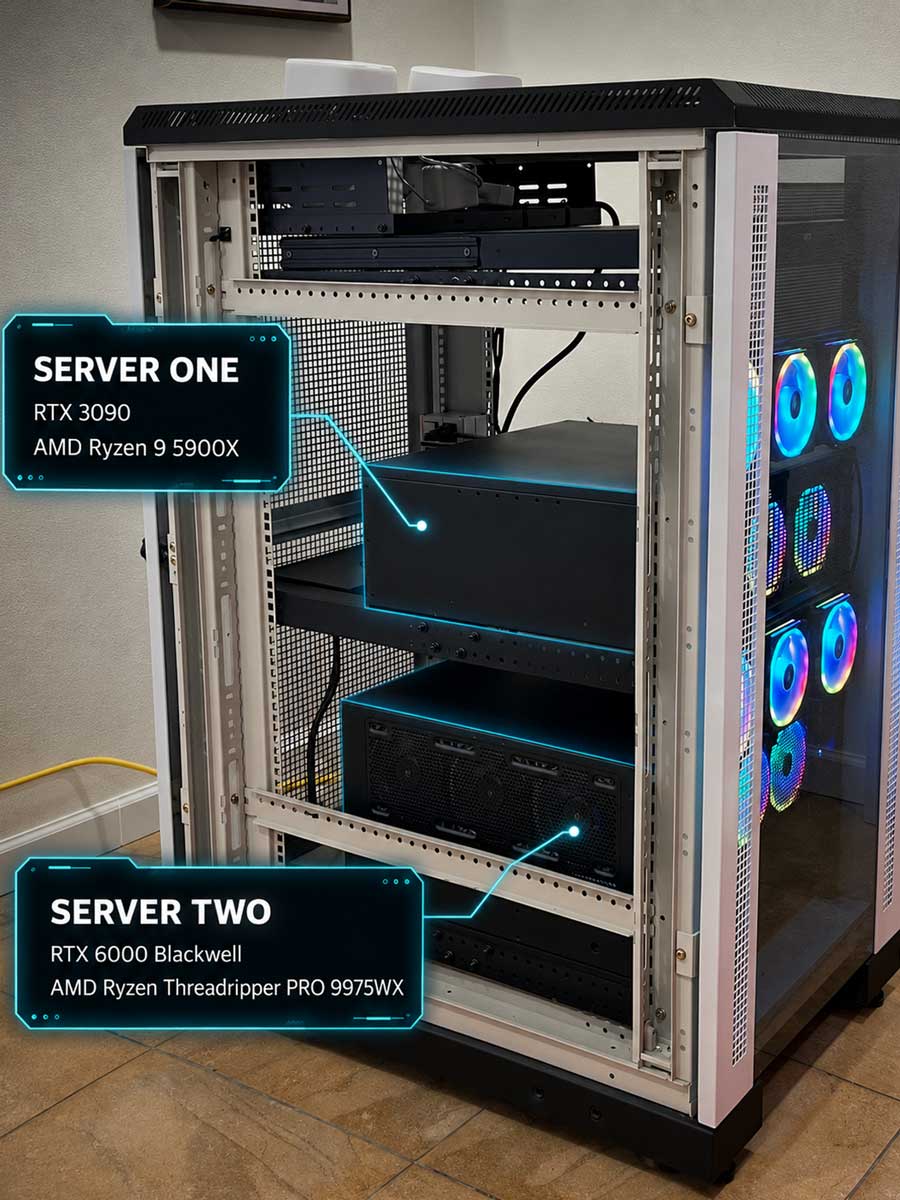
Runs production apps, automations, worker jobs, media tooling, and always-on services.
Powers the local LLM stack, image generation, heavy GPU work, and AI production runtime.
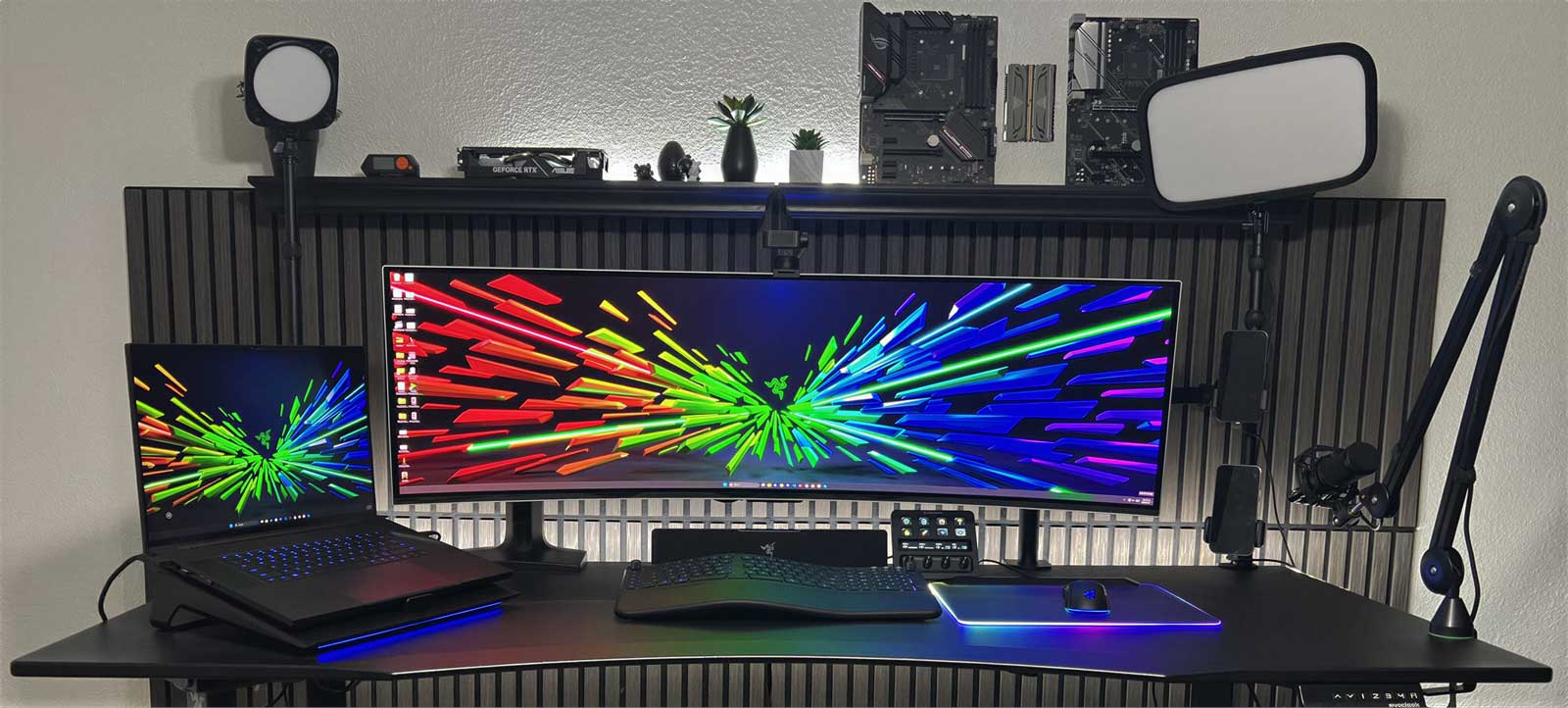
Razer Blade Mobile Workstation
Portable AI development, browser automation, client review, Codex control, media ops, and on-the-go orchestration for the local SynapseGrid environment.
Selected Work
I connect growth strategy, operating systems, and new tooling into work a real team can run.
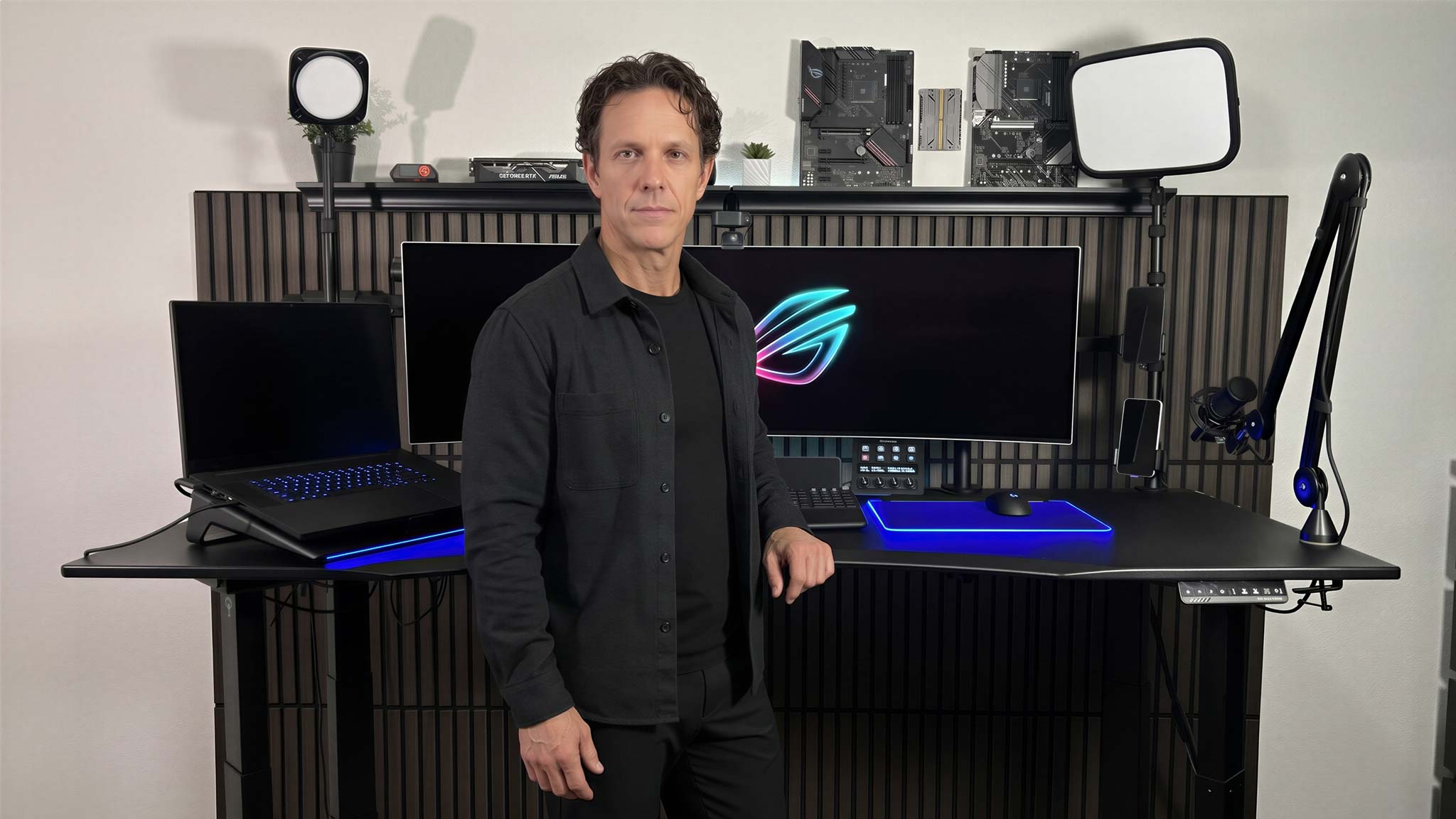 AI-generated likeness · disclosed
Ecommerce leadership
Turnaround work across multi-store Shopify operations, lifecycle, paid acquisition, creative, conversion, and the operating cadence tying them together.
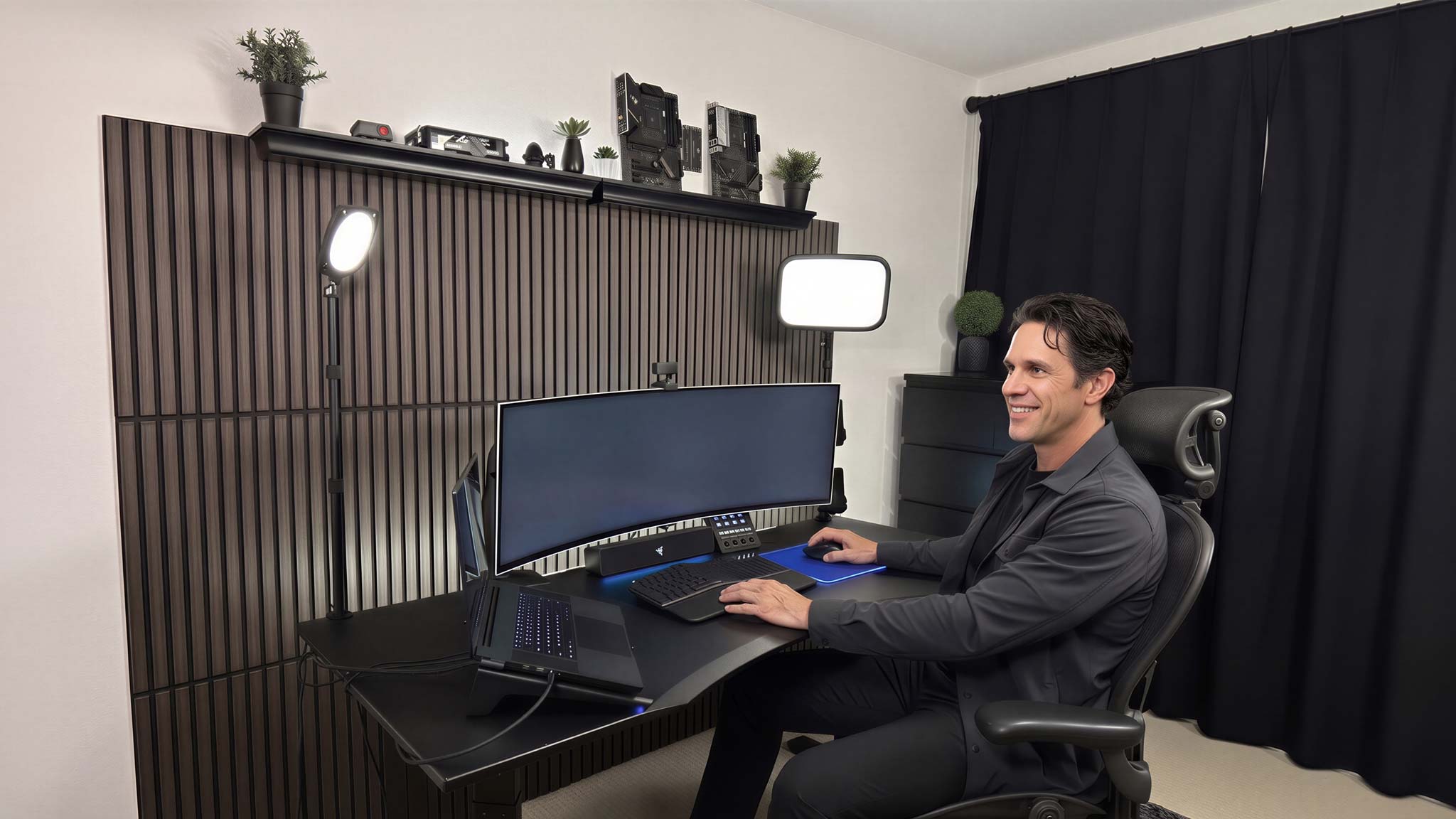 AI-generated likeness · disclosed
Applied AI systems
Scoring, enrichment, filing intelligence, memory, and delivery workflows judged by quality, latency, cost, and reliability.
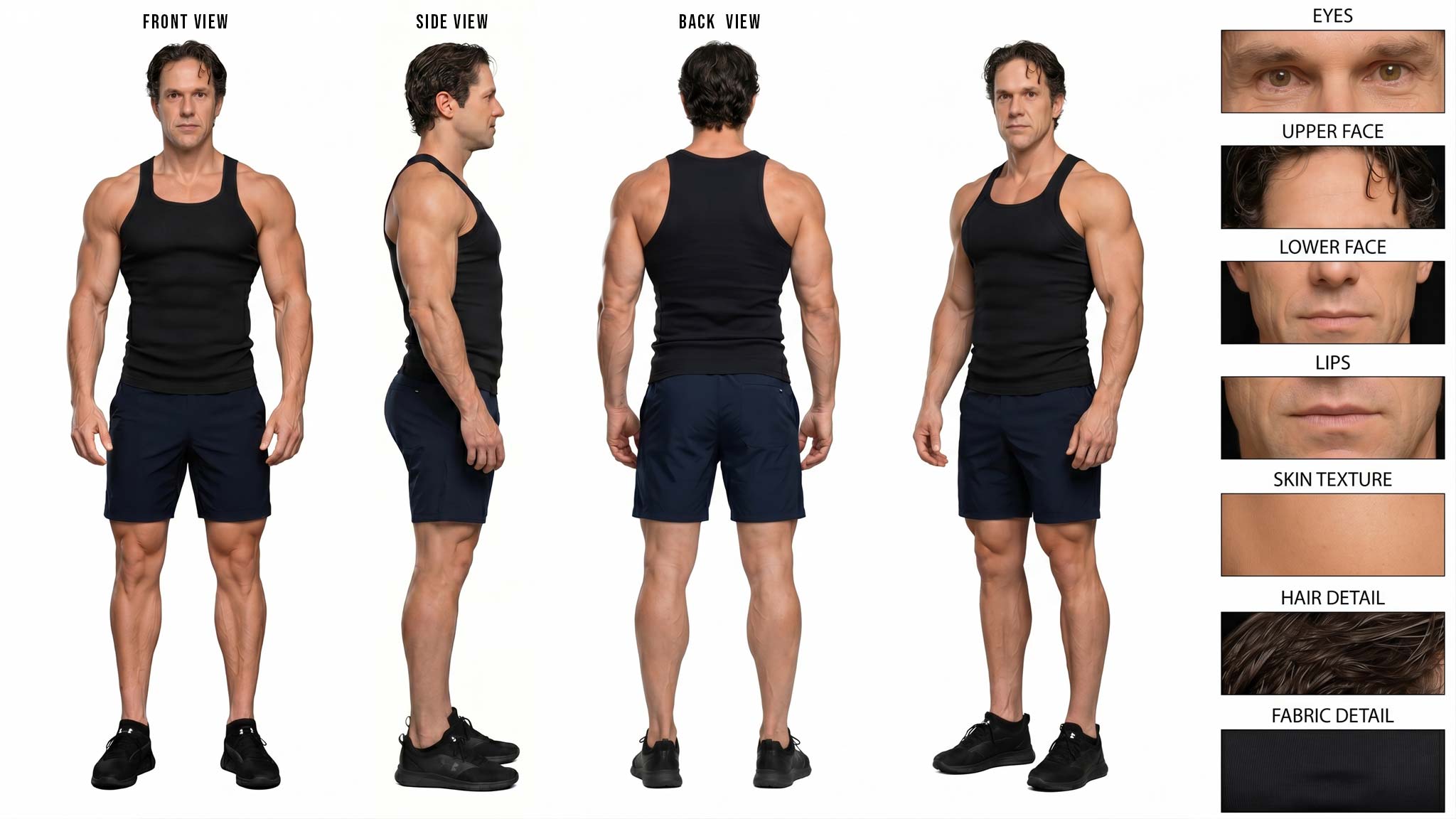 AI-generated identity character sheet · disclosed
Multimodal production
Reference design, dataset preparation, generation, motion, finishing, and human review organized as one production process.
Public Work
Personal engineering surface for AI infrastructure, memory systems, orchestration tools, and production experiments.
Open GitHubAI infrastructure lab for memory-first agents, orchestration, local AI workflows, and operational systems.
Open SynapseGrid LabsOperational backbone for runbooks, incident memory, service context, retrieval, and repeatable recovery workflows.
Discuss public-safe detailsSelected Impact
Plus 909 published memories, 1,267 episodes, and 265,970 evidence segments.
Archive-first preservation, extraction, trust classes, and MCP retrieval.
Qwen3-Coder lane with fp8 weights/KV cache in a 96GB VRAM envelope.
Restored execution throughput from 5-7 to 12-18 actions per cycle.
Migrated shared agent infrastructure and wired 60+ agent-environment symlinks.
Improved Recall@10 28.7%, MRR 36.6%, storage 50%, and RSS memory 56%.
Flagship Systems
These are not isolated demos. They are connected systems: memory that preserves evidence, orchestration that keeps authority clear, research infrastructure that maps the field, product pipelines that turn signals into workflows, and a private local lab that makes the work repeatable.
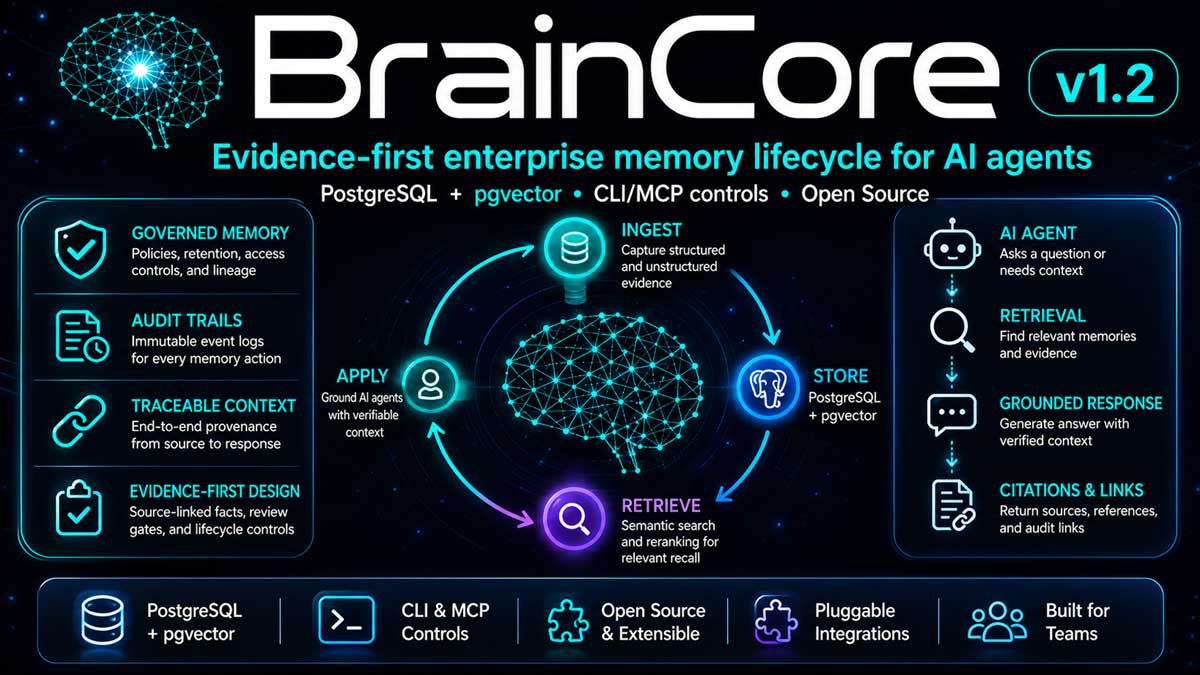
Public AI memory infrastructure
Evidence-grounded operational memory for AI agents. BrainCore turns incidents, coding sessions, chats, dashboards, and source changes into queryable memory by archiving artifacts first, extracting facts with provenance, tracking trust and validity, and exposing retrieval through a local MCP-ready layer.
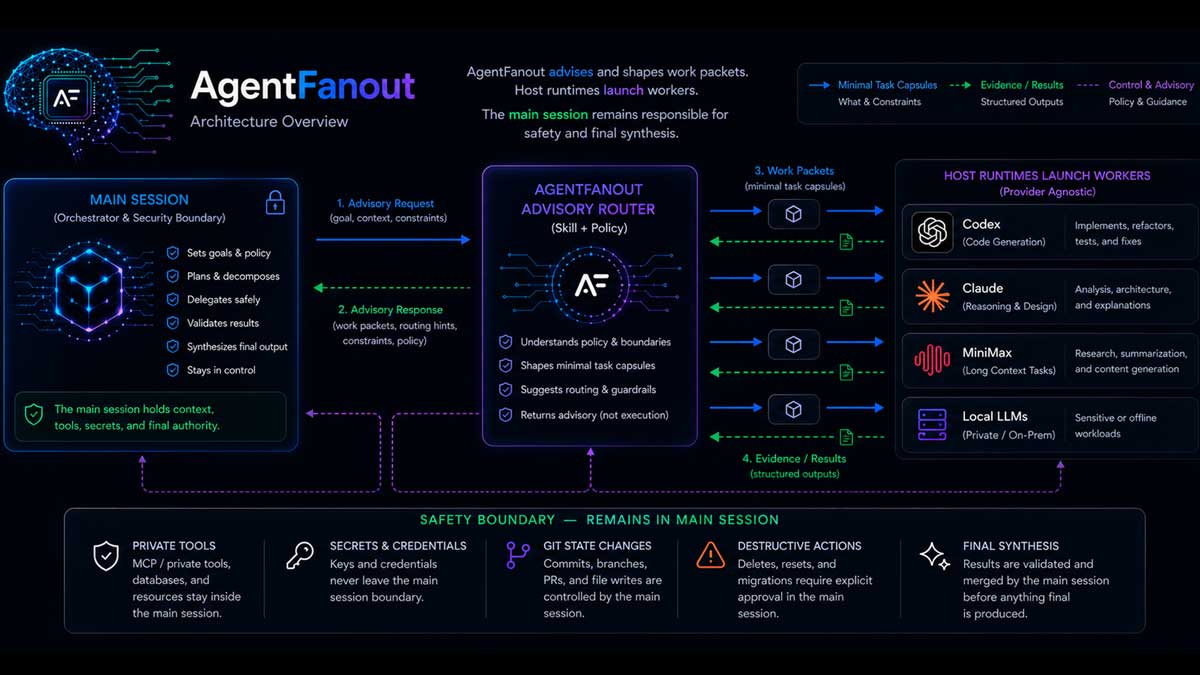
Private SynapseGrid Ops orchestration layer
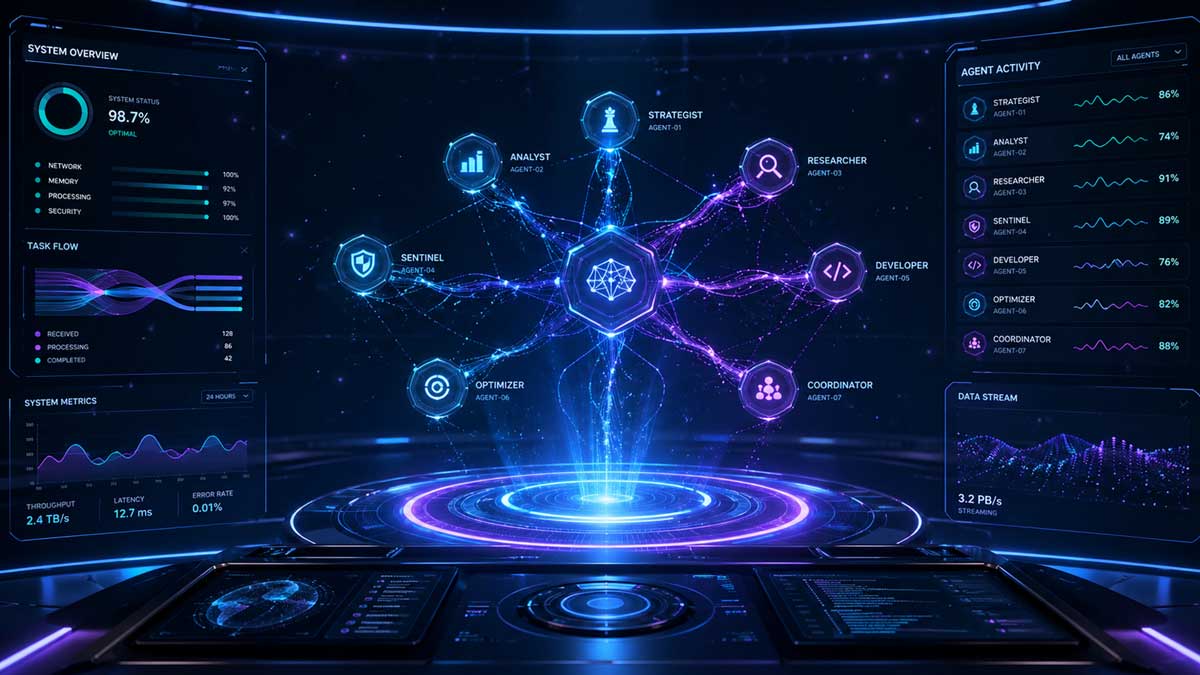
Provider-agnostic routing for bounded multi-agent work. AgentFanout decides when to fan out work, which provider or role should handle it, and when validation is required.
The main session keeps authority over secrets, private tools, git state, destructive actions, and final synthesis. Workers receive bounded packets and return reviewable outputs.
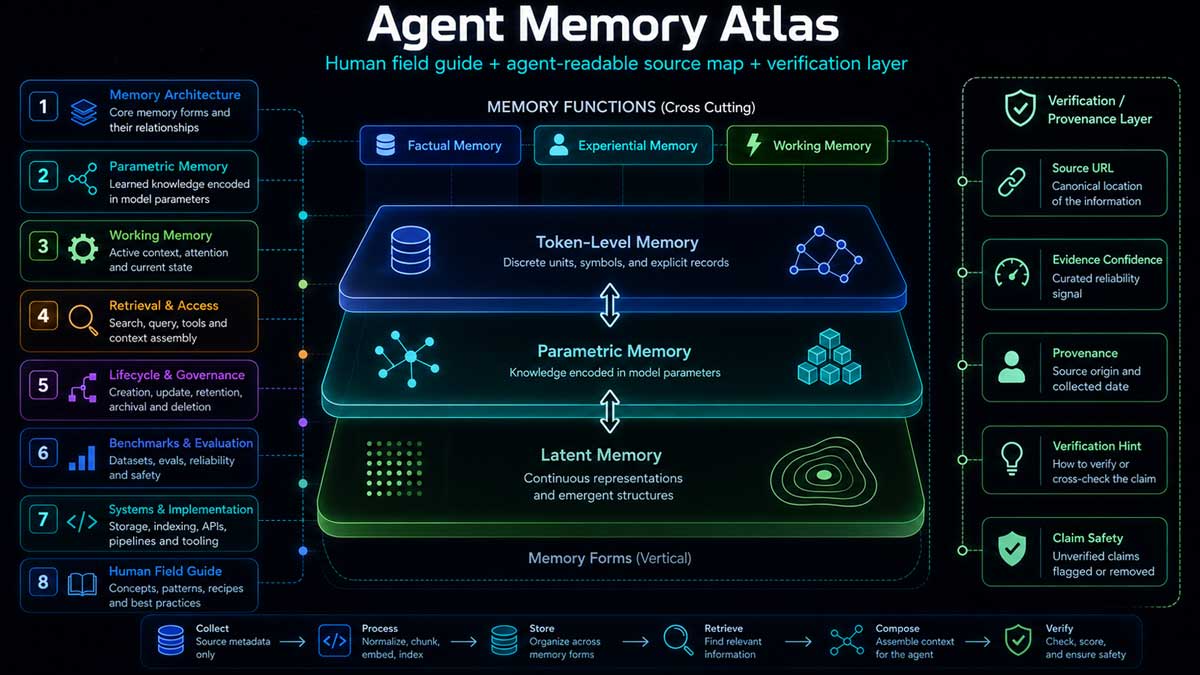
Public research corpus
A public map of the agent-memory field: papers, repositories, benchmarks, taxonomies, product docs, protocols, and implementation patterns organized into a structured corpus.
The goal is to help builders compare architectures, understand verification status, and avoid designing memory systems from scattered claims.
Private AI runtime and operating vault
Local inference, image generation, LoRA training, OCR, captioning, and long-context coding run beside the private OpsVault layer.
OpsVault preserves infrastructure decisions, service context, incidents, remediations, and searchable project memory so agents recover context instead of rediscovering it.
Creative AI Production
The reel and identity studies are backed by dataset standards, model validation, repeatable production workflows, and human approval before an asset reaches the site.
See the production work
How I Work
Strategy is only valuable when it survives contact with execution.
Start with the business objective and the failure that keeps getting in its way.
Connect people, data, models, automation, and measurement into one operating plan.
Move from strategy into workflows, prompts, code, tooling, and production.
Instrument the work, document it, and improve what the evidence says is weak.
The Operator Behind the Systems
I’m Trent Doney, a founder and former CMO who builds the systems behind modern growth.
I’ve built and sold a DTC brand, led an eight-store ecommerce portfolio, managed multi-channel performance programs, and shipped AI, automation, memory, and creative production workflows. The value is not any single tool. It is knowing how to turn a business constraint into a system a team can operate, measure, and improve.
See the workstation and systems